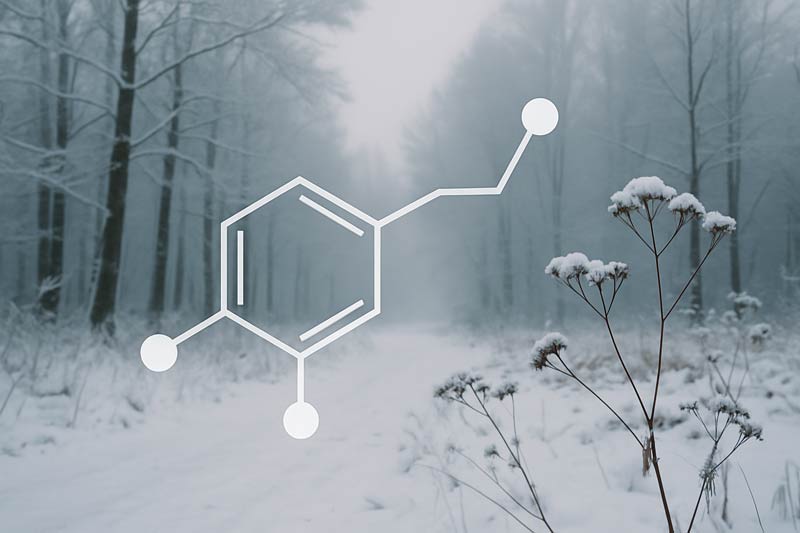

Winter Mood Shift? Check Your Neurotransmitters
Sacramento, Calif.- With daylight diminishing and winter approaching, November is a wonderful time to find out whether you have neurotransmitter imbalances, as the neurotransmitter serotonin is typically at its lowest during the winter months.
Neurotransmitters (NTs) are molecules that regulate brain function and send messages from nerve to nerve, both within the brain and throughout the rest of the body. They also relay messages from nerves to the intestinal tract, muscles, and lungs.
The following symptoms are common with neurotransmitter imbalances: mood disorders such as panic attacks, depression, and anxiety; eating disorders such as food cravings and difficulty controlling appetite; memory and pain disorders; metabolic problems such as fatigue and hypoglycemia; and insomnia.
6 commonly measured NTs
It is estimated that 70% of all Americans have low serotonin levels. The six NTs that naturopathic doctors commonly measure are serotonin, GABA, dopamine, norepinephrine (NE), epinephrine (EPI), and glutamate.
GABA (gamma-aminobutyric acid) is the most important and widespread inhibitory neurotransmitter in the brain. Its main job is to counter the brain’s most common excitatory neurotransmitters: NE, EPI, and glutamate. Too much excitation without enough GABA can even lead to seizures.
Serotonin works with GABA to prevent over-excitation and to promote relaxation, pain reduction, quality sleep, good mood, and calmness under stress. Optimal serotonin levels provide biochemical and emotional balance. Living a stressful lifestyle, consuming a high-sugar diet, or using stimulants such as caffeine can contribute to the symptoms listed above, as well as blood sugar swings, rage, and bulimia.
Dopamine has many functions in the brain, including motivation, the pleasure and good mood associated with positive reinforcement and reward, focus, cognition, sleep, and learning. Low dopamine can contribute to loss of motivation to pursue goals, social anxiety, attention-deficit (hyperactivity) disorder, and depression.
Norepinephrine is found within the central nervous system and functions as an excitatory neurotransmitter responsible for drive, ambition, alertness, focus, and long-term memory (learning).
Epinephrine (adrenaline) functions as both a neurotransmitter and a hormone. It is a “fight-or-flight” hormone and plays a central role in short-term stress reactions. Chronic stress may initially raise EPI levels, but over time it can exhaust the adrenal glands.
Glutamate is an amino acid neurotransmitter-the most common excitatory neurotransmitter in the central nervous system-powerfully stimulating neuronal tissue. It is also involved in learning and memory. Excess glutamate is dangerous to nervous tissue, causing excitotoxicity, neuronal damage, and cell death.
A symptom questionnaire combined with a simple neurotransmitter urine test is the most effective way to detect an NT deficiency.

Explore additional topics from Sacramento Naturopathic Medical Center with Dr. Godby, ND, MA and his team at Natural Wellness.
As a naturopathic doctor for the last 20 years, I have witnessed the power of a preventative lifestyle and naturopathic medicine to transform the health and lives of thousands of patients.
Sacramento Naturopathic
2530 J Street, Suite 100
Sacramento, CA 95816
Phone: (916) 446-2591
sac-nd.com/dr-dennis-godby-nd-ma