
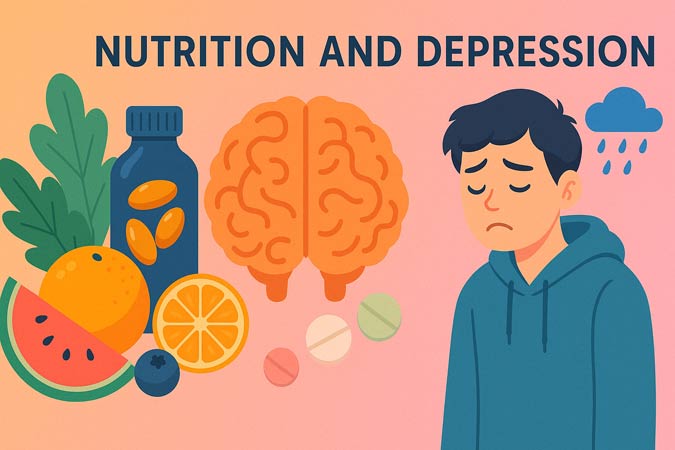

How simple changes can lift the fog of depression
Sacramento, Calif.- Although there is rarely a single cause of depression, a poor diet often plays a significant role. A deficiency in even one essential nutrient can alter brain function and contribute to depression, anxiety, and other mental health disorders.
Recently, a very thin teenage boy came to see me after struggling with depression for about six months. When I asked about his meals, he told me he typically didn't eat anything during the day until he got home from school. My treatment plan for him was fairly simple: eat at regular intervals, test for food allergies and eliminate any allergens, take a high-potency multivitamin, and add fish oil to his regimen. By his next appointment just two weeks later, the depression that had cast a dark cloud over his life had begun to lift-simply from eating regularly and replenishing missing nutrients.
Deficiencies
Deficiencies in vitamins-such as B1, B2, B3, B6, B12, C, biotin, pantothenic acid, or folic acid-and minerals like zinc, selenium, and chromium, can all contribute to depression.
Because the brain requires a constant supply of blood sugar, several studies have shown that hypoglycemia (low blood sugar) is common in individuals with depression. Reactive hypoglycemia is often caused by consuming refined carbohydrates, such as sugar and white flour. In fact, a study across six countries found a strong correlation between sugar consumption and annual depression rates.
Nutrition has a powerful impact on cognition (awareness, perception, reasoning, and judgment), emotion, and behavior. As Melvin Werbach, MD, noted, "Numerous studies utilizing rigorous scientific designs have demonstrated impressive benefits from nutritional supplementation."
Omega-3
A deficiency in omega-3 essential fatty acids (EFAs)-with fish oil being a prime source-has also been linked to depression. Commercial refinement of fats and oils has reduced the availability of EFAs in the diet, led to the formation of toxic compounds, and interfered with EFA metabolism.
Studies show that countries with high fish consumption tend to have lower rates of depression. Research has also demonstrated that a relative deficiency in EFAs can alter fatty acid levels in red blood cells and serum, contributing to depression. Since the brain is the body's richest source of phospholipids (a type of fat), and nerve cell function relies on optimal membrane fluidity, any changes to that fluidity can significantly affect mood, behavior, and mental performance.
In another recent study, individuals who added daily EFAs to their standard antidepressant treatment experienced significant improvements, including reduced anxiety and sadness, improved sleep, increased sexual desire, and decreased suicidal thoughts.
Until next month-remember the fish story!

Explore additional topics from Sacramento Naturopathic Medical Center with Dr. Godby, ND, MA and his team at Natural Wellness.
As a naturopathic doctor for the last 20 years, I have witnessed the power of a preventative lifestyle and naturopathic medicine to transform the health and lives of thousands of patients.
Sacramento Naturopathic
2530 J Street, Suite 100
Sacramento, CA 95816
Phone: (916) 446-2591
sac-nd.com/dr-dennis-godby-nd-ma